Customer Experience Centres

What CECs Are and Why They Matter

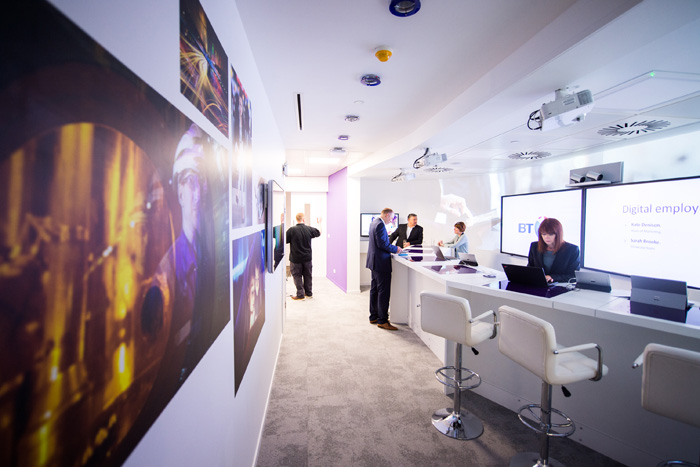
  • CECs go far beyond presentations and sales decks. They deliver immersive, sensory, and interactive experiences that help customers feel and understand a brands value.

  • They address rising customer expectations for personalization, memorable experiences, and interactive digital engagement.

  • As B2B buying becomes more complex, CECs help simplify decisions by aligning multiple stakeholders around a clear, shared understanding of solutions.

Core Benefits of CECs

For Customers

  • Hands on product understanding

  • Highly personalized journeys

  • Reduced perceived risk through live demonstration

  • Collaborative co-creation and strategy alignment

For Companies

  • Stronger brand loyalty and trust

  • Shorter sales cycles and larger deal sizes

  • Higher engagement and retention

  • A differentiated brand identity

  • Real-time feedback and deeper customer insights

Key Design Principles

Successful CECs share common design pillars:

Customers Centricity

  • Experiences are tailored to each visitor type (new prospects, existing clients, partners, executives).

  • Storytelling is built around the customers needs not just the company capabilities

Spatial & Environmental Design

  • Adaptive, modular spaces that can evolve over time

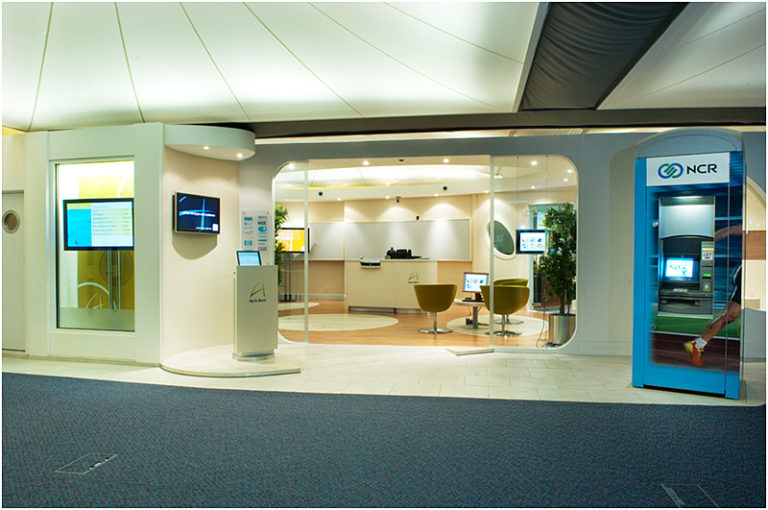
  • Hospitality, comfort, intuitive flow, AV integration

  • Seamless blending of physical and digital experiences

Purpose Driven Technology

  • Tech should enhance, not overshadow, the message

  • VR/AR for immersive storytelling

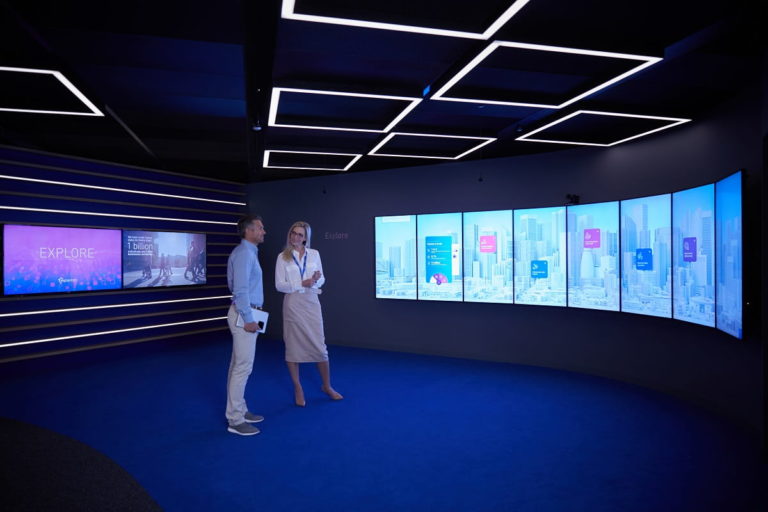
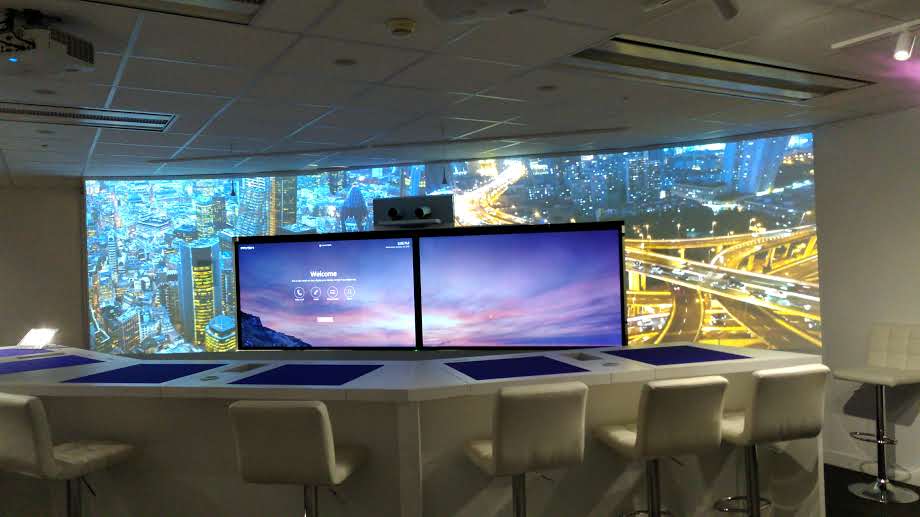
  • Interactive displays, touchscreens, data visualisation

  • Modular systems that can be updated easily

Staff and Facilitation

  • Skilled facilitators and SMEs guide conversations

  • Staff training is essential for smooth operation and customer empathy

Continuous Improvement

  • CECs must be flexible, allowing content updates, new demos, new storytelling modes

  • Data and customer feedback fuel ongoing refinement

Strategic Roles of CECs

Sales Enablement Hub

  • Demonstrates value clearly and convincingly

  • Aligns all decision makers

  • Accelerates the sales journey

Brand Storytelling Engine

  • Communicates mission, values, innovation, and impact

  • Makes the intangible tangible

Innovation & Co-Creation Lab

  • Facilitates workshops, ideation, and real-time problem solving

  • Helps organizations co-design solutions with customers 1aaaa

Employee Alignment & Training Space

  • Helps staff understand products, journeys, and innovation pipelines

  • Boosts engagement and equips employees as brand ambassadors

Digital Transformation Catalyst

  • Bridges innovation, customer needs, and internal teams

  • Provides real-time insight and a testing ground for new ideas

Trends Shaping the Future of CECs

Hybrid & Virtual CEC Experiences

  • Virtual CECs (VR, digital portals) extend access globally

  • Covid accelerated the shift and proved the model

AI enhanced Personalisation

  • Adaptive content, tailored demos, predictive analytics

  • Generative AI shaping custom scenarios in real-time

Interactive Multi-Sensory Environments

  • Augmented reality, touch tables, gesture based interfaces

  • Multi-screen and surround experience

Scalable, Modular, Updatable Design

  • Spaces act like a living systems and are easy to update and evolve

Deep Data Integration

  • CRM integration for personalization

  • Real-time feedback loops

  • Post visit analytics to refine content and strategy

How CECs Strengthen Client Partnerships


CECs shift relationships from transactional to strategic partnerships:


  • Offer transparency into processes and capabilities

  • Enable co-creation and joint discovery

  • Provide measurable value and build trust

  • Create shared experiences that align teams and remove ambiguity